Tiles
In the context of a traffic network map, a tile is a small square segment of an image or vector data that makes up a portion of a larger map.
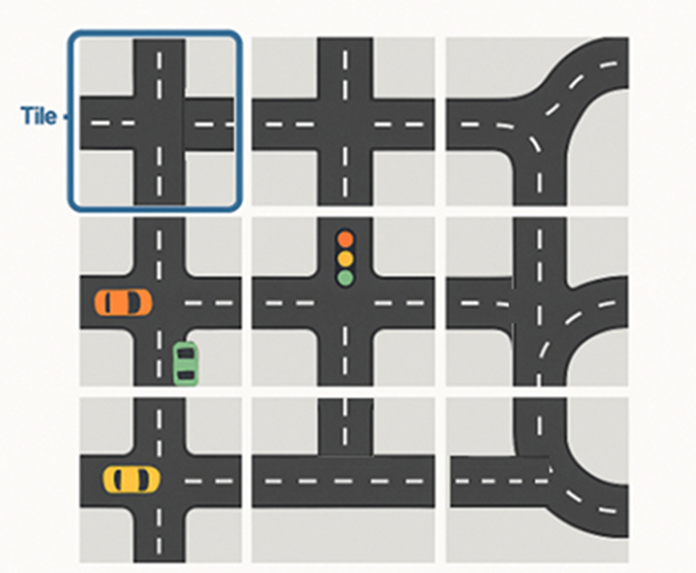
Instead of downloading a single, massive image of the entire road network, modern mapping systems divide the world into a grid of thousands of tiles (typically 256x256 or 512x512 pixels) at different zoom levels.
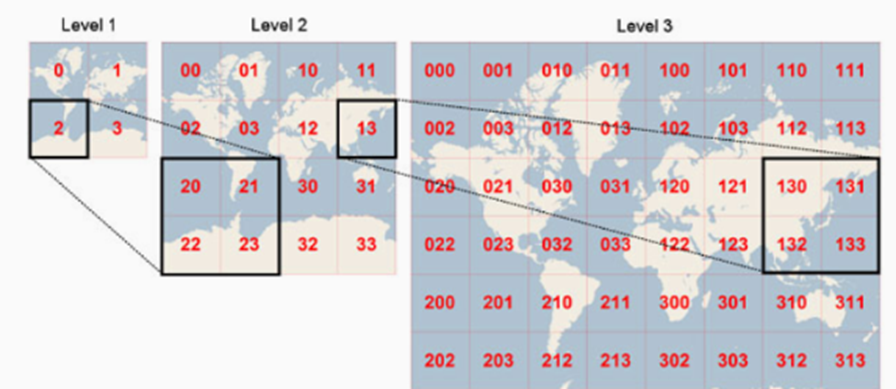
Key aspects of tiles in a traffic network:
- Efficient rendering: when you zoom the map, the browser or a spcific application loads only the tiles needed for the area being viewed, drastically improving performance and reducing data consumption.
- Real-Time data: in traffic maps there are specific traffic tiles that are overlaid on the base map to show traffic delays (red, orange, green lines) based on real-time vehicle data.
- Zoom levels: Tiles are organized in a “pyramid.” At a low zoom level (entire country), a tile covers a large area. At a high zoom level (single city), each tile displays specific road details.
In summary, a tile is the basic building block that enables the smooth display of interactive maps and real-time traffic updates.